Automated Follow Up Texts After Service Call
Why smart contractors are texting customers before they even leave the driveway
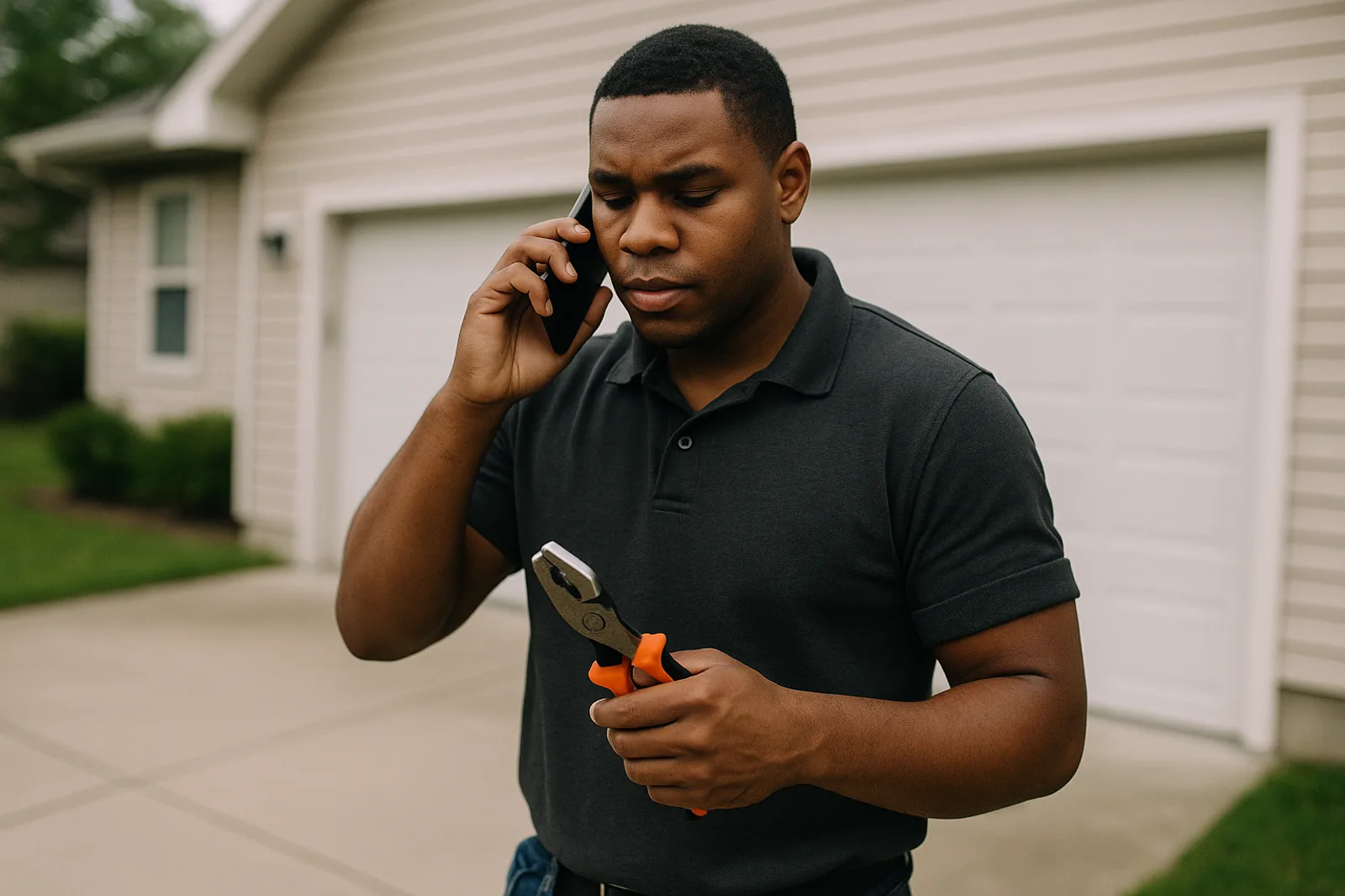
You packed up your tools, handed the customer an invoice (paper or digital), and told them to call if anything comes up. Then you drove to the next job and never thought about that customer again — until they call six months later with an emergency, and you're already booked solid.
That gap between "job done" and "next opportunity" is where most contractors leave money on the table. Automated follow-up texts after a service call bridge that gap completely — and they work while you're working.
Why a Follow-Up Text Matters More Than a "Thank You"
The stats on customer follow-up in service businesses are brutal:
68% of customers say they never hear from a contractor again after paying the invoice.
70% of buying experiences are based on how the customer feels they were treated — not the quality of the work itself.
A follow-up within 24 hours increases customer retention by as much as 4x compared to following up after 48 hours.
Most contractors lose repeat business not because the work was bad, but because the relationship went silent. An automated text solves that with zero ongoing effort.
What Makes a Good Automated Follow-Up Text?
Not all texts are created equal. A poorly written or overly salesy message can do more harm than good. Here's the formula that works for trades:
### 1. Thank them immediately
Send a thank-you text within 2 hours of completing the job. This is the highest-engagement window. Customers are still thinking about the service, and your name is fresh.
### 2. Ask for a review (but make it easy)
Include a direct link to your Google Business Profile or Yelp. Don't ask them to search for you — send a one-tap link.
> "Thanks for choosing ABC Plumbing! We hope everything's working perfectly. If you have a moment, we'd love your feedback: [link]"
### 3. Offer a service reminder or maintenance tip
A 30-second value-add (like "remember to change your filter in 90 days") positions you as an expert and keeps the conversation warm.
### 4. Leave the door open for future work
Simple: "Reply to this text anytime if something comes up." No pressure, just availability.
The ROI of a Simple Text Sequence
Let's run the numbers on a typical HVAC contractor doing 20 service calls a week:
| Without follow-up texts | With automated follow-up texts |
|---|---|
| 2-3 repeat customers per quarter | 8-12 repeat customers per quarter |
| 1-2 reviews per month | 6-10 reviews per month |
| $0 in passive re-booking revenue | $6k-$12k in re-booked jobs annually |
These aren't hypotheticals. Contractors using automated follow-up sequences see 25-40% higher lifetime value from their service call customers within 12 months.
How to Automate Without Making It Feel Robotic
This is the pushback we hear most: "Won't customers think it's fake?"
Here's the truth — customers don't care if the text is automated as long as it's useful. The bar is literally "did you acknowledge me after I paid you?" Most contractors can't even clear that bar consistently.
The trick is writing your messages in your own voice. If you're a one-man plumbing operation, don't sound like a corporate chain. Write how you talk. Then set the automation to send at the right intervals.
A solid sequence looks like this:
1. Immediate (1 hour post-job): Thank you + review link
2. Day 3: Check-in — "Everything holding up okay?"
3. Week 4: Service tip related to the work done
4. Month 3: Seasonal reminder (e.g., "Heads up — fall furnace tune-ups are booking fast")
5. Month 6: "We miss you!" with a small discount on preventive maintenance
That's 5 touchpoints over 6 months — and the contractor does nothing after setting it up once.
When NOT to Send an Automated Text
Automation is powerful, but it's not a substitute for real human judgment. Never send automated follow-ups in these situations:
The job went poorly or the customer was unhappy (call them personally first)
The customer explicitly asked not to be contacted again
The service was an emergency that required no follow-up (water heater burst, etc.)
The customer is a commercial account with a different communication expectation
Always build in an opt-out mechanism (reply STOP) and actually respect it.
Which Trades Benefit the Most?
All of them, honestly. But the highest ROI comes from trades with repeatable service cycles:
HVAC: Filter reminders, seasonal tune-ups, warranty check-ins
Plumbers: Water heater inspections, drain maintenance reminders
Electricians: Panel upgrades, safety inspection offers
Landscapers: Seasonal aeration, fertilization schedules
Painters: Annual touch-up reminders, referral requests
Roofers: Storm season check-ins, gutter cleaning offers
The more recurring work your trade generates, the more valuable automated follow-up becomes.
The Bottom Line
Automated follow-up texts after a service call are the easiest revenue lever most contractors aren't pulling. They cost nothing to run, take an afternoon to set up, and start generating repeat calls and reviews without any day-to-day effort. In an industry where 70% of customers choose based on trust, a simple text that says "we remember you" is worth more than any billboard.
Prybar makes this trivial. You write the messages once, set the timing, and the texts go out automatically after every completed job — no apps to open, no spreadsheets to track, no "I'll do it later" that never happens. [See how it works →](https://prybar.ai)
Prybar helps trade businesses never miss a customer text again. Responds instantly, captures leads, books jobs — all while you work. Live in minutes.
Get Started →