Best Software For Small HVAC Companies
Stop juggling spreadsheets. Here's the tech stack that actually scales with a 5-15 truck operation.
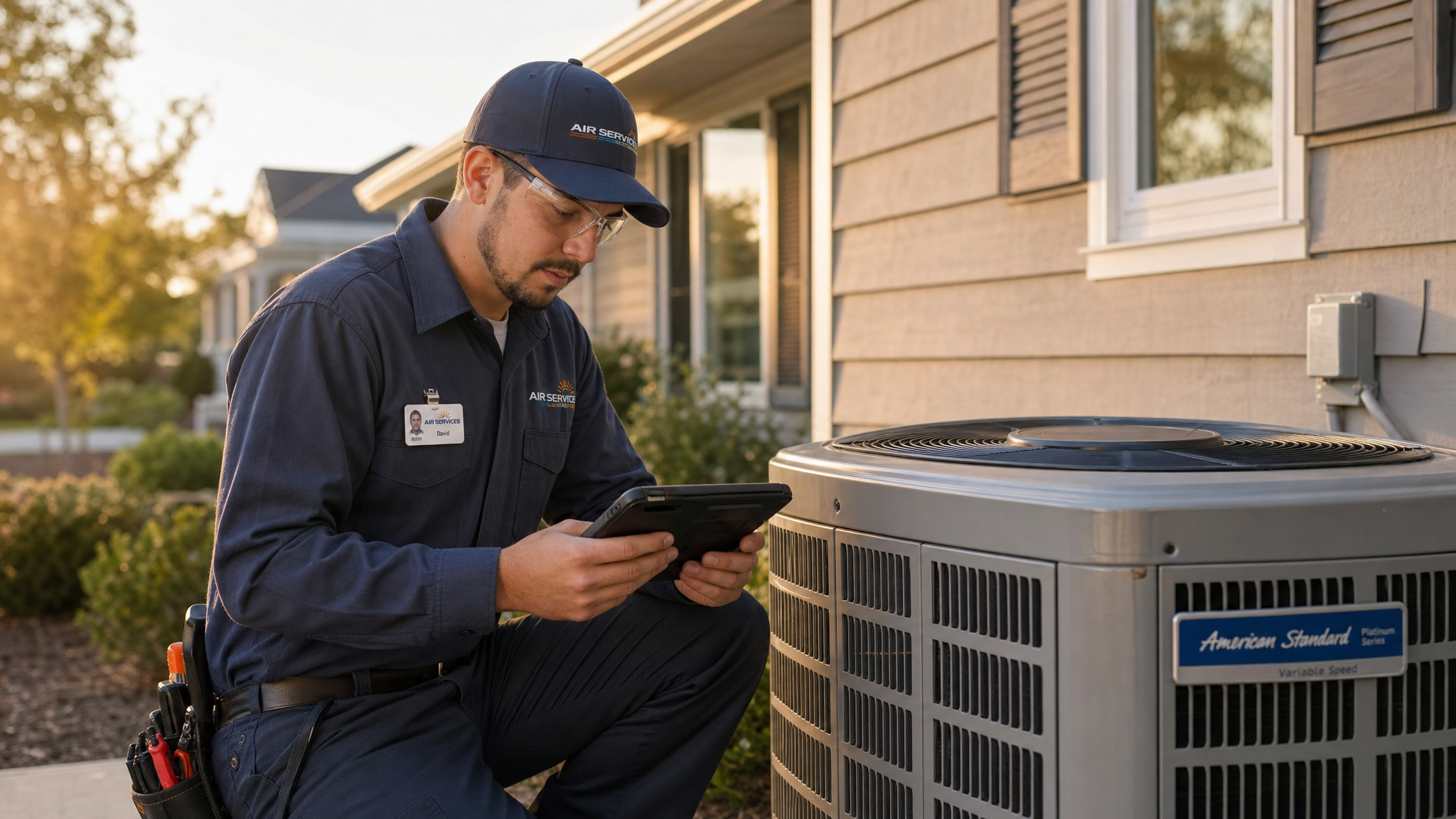
You're running 5-15 trucks, your phone's ringing, and somehow you're still printing paper invoices at the kitchen table at 10 PM. You've looked at software before, but everything felt either too expensive (enterprise ERP for a 10-man shop) or too basic (a stripped-down calendar app that doesn't know a capacitor from a compressor).
Here's the thing: the best software for small HVAC companies isn't a single magic app. It's a stack — a handful of tools that talk to each other and cover dispatch, invoicing, payments, marketing, and customer communication.
This guide covers exactly what to look for, what to avoid, and the specific tools that work for smaller HVAC operations (under $5M annual revenue, under 20 employees).
Why Your Current Setup Is Costing You Money
Let's be honest about what "doing things manually" actually costs:
Average HVAC business loses 12-18% of revenue to manual admin errors
Techs waste an average of 90 minutes per day on paperwork and non-billable tasks
Invoice-to-payment time averages 38 days without digital payment options
60% of HVAC calls come in after normal business hours
If you're doing $1M in revenue, that 12-18% leak means $120K-$180K walking out the door every year. Not because your techs aren't good — because your software isn't connected.
A small HVAC company running on sticky notes, spreadsheets, and paper invoices isn't a small business. It's a time bomb. The difference between the owners who get out of the field and the ones who burn out usually comes down to one thing: whether they invested in operations software before they "felt ready."
What to Look For in HVAC Software (Size Matters)
Most software reviews treat a 2-man shop and a 50-truck operation the same. That's useless. Here's what matters specifically for a small HVAC company:
1. Dispatch that doesn't require a dispatcher. If your software needs a full-time office person just to route calls, it's too heavy for you. Look for drag-and-drop dispatch with GPS integration — something a tech or the owner can handle between calls.
2. Invoicing that leaves the shop. The best software lets techs generate invoices on-site, collect payment, and email receipts all from a phone. If a tech has to drive back to the shop to hand you paperwork, you're paying for that drive twice.
3. Customer history at a glance. Your software should show service history, equipment age, warranty status, and past call notes on a single screen. Not three different tabs. Not a filing cabinet.
4. Marketing tools baked in. Automated review requests, email reminders, and SMS booking are not "nice to haves" anymore. If your software doesn't help you fill the pipeline, it's half a solution.
5. Price that doesn't make you wince. For a small HVAC company, you should expect to pay $150-$400/month for a complete stack. If the pitch starts at $1,000+, keep walking.
The Best Software Stack for Small HVAC Companies (2026)
There's no single winner for every shop. But after talking to dozens of HVAC owners and running the numbers, here are the tools that consistently work for smaller operations:
### Dispatch & Field Service Management
Housecall Pro and Jobber are the two heavy hitters here. Both are built for small service businesses (not enterprise HVAC). Both offer mobile dispatch, invoicing, and customer management starting around $100-$200/month.
Housecall Pro — Best for companies that want all-in-one (dispatch, estimates, payments, marketing). Clean mobile app, good GPS tracking.
Jobber — Better for companies that do a mix of residential AND commercial. Stronger quoting and proposal tools.
ServiceTitan — Only if you're already >$5M revenue AND have a dedicated office manager. It's powerful but overkill for most 5-15 truck shops.
The honest take: If you're under 10 trucks, start with Housecall Pro. It's the least friction. You can be up and running in an afternoon, not a two-week implementation project.
### Payments & Invoicing
Stripe (integrated via your field service software) is the gold standard for card processing at 2.5-3% per transaction. Some dedicated platforms claim lower rates but hide them in monthly minimums and PCI compliance fees.
Digital payments reduce invoice-to-payment from 38 days to 3-5 days
Mobile card processing adds an average of $45 per invoice in upsells (customers say "yes" more when they see the full picture on a tablet)
Companies offering "pay by text" see invoices paid 2x faster
If you're not collecting payment on-site at least 60% of the time, you're leaving cash flow on the table. The tech is there. Equipment exists. The only blocker is habit.
### Scheduling & Customer Communication
Text booking is the single highest-ROI change a small HVAC company can make. Tools like Prybar specialize here — connecting your service software to SMS so customers can book, reschedule, and confirm without playing phone tag.
What good communication software should do:
Send automatic appointment confirmations (cuts no-shows by 30-40%)
Allow two-way SMS between office and customer (without giving out personal phones)
Send reminders + follow-up review requests automatically
Route after-hours booking to a voicemail or chatbot so you don't lose leads
The numbers don't lie: HVAC companies that implement SMS booking see 15-25% more booked calls per week because customers don't have to wait for business hours. A prospective customer who calls at 8 PM and gets voicemail often calls the next competitor who answers.
### Marketing & Reputation Management
Your best new customer source is almost always repeat clients and referrals. For small HVAC companies, that means:
72% of HVAC customers read reviews before booking
A 0.5-star increase in Google rating correlates to 10-15% more leads
Automated review requests generate 3x more reviews than manual follow-ups
Email retargeting brings back 20-30% of past customers who haven't booked in 6+ months
Tools like Podium or Prybar handle review management and SMS marketing. The key is automation: you should never have to manually ask for a review or send a "we miss you" email. If you're doing those by hand in 2026, you're burning time your techs could be billing.
### Accounting & Financials
QuickBooks Online is still the standard for a reason. Most field service software integrates with it directly. The trick is setting up your categories right from day one:
Create separate accounts for each service type (repair, maintenance, install)
Track COGS per job (not just per month)
Automate credit card and bank feeds so you reconcile in 15 minutes, not 2 hours
Set up job costing reporting so you know which services actually make money
The owners who know their job-level margins are the ones who grow. The ones who just look at total revenue at the end of the month are flying blind.
There's no single winner for every shop. But after talking to dozens of HVAC owners and running the numbers, here are the tools that consistently work for smaller operations:
### Dispatch & Field Service Management
Housecall Pro and Jobber are the two heavy hitters here. Both are built for small service businesses (not enterprise HVAC). Both offer mobile dispatch, invoicing, and customer management starting around $100-$200/month.
Housecall Pro — Best for companies that want all-in-one (dispatch, estimates, payments, marketing). Clean mobile app, good GPS tracking.
Jobber — Better for companies that do a mix of residential AND commercial. Stronger quoting and proposal tools.
ServiceTitan — Only if you're already >$5M revenue AND have a dedicated office manager. It's powerful but overkill for most 5-15 truck shops.
The honest take: If you're under 10 trucks, start with Housecall Pro. It's the least friction. You can be up and running in an afternoon, not a two-week implementation project.
### Payments & Invoicing
Stripe (integrated via your field service software) is the gold standard for card processing at 2.5-3% per transaction. Some dedicated platforms claim lower rates but hide them in monthly minimums and PCI compliance fees.
Digital payments reduce invoice-to-payment from 38 days to 3-5 days
Mobile card processing adds an average of $45 per invoice in upsells (customers say "yes" more when they see the full picture on a tablet)
Companies offering "pay by text" see invoices paid 2x faster
If you're not collecting payment on-site at least 60% of the time, you're leaving cash flow on the table. The tech is there. Equipment exists. The only blocker is habit.
### Scheduling & Customer Communication
Text booking is the single highest-ROI change a small HVAC company can make. Tools like Prybar specialize here — connecting your service software to SMS so customers can book, reschedule, and confirm without playing phone tag.
What good communication software should do:
Send automatic appointment confirmations (cuts no-shows by 30-40%)
Allow two-way SMS between office and customer (without giving out personal phones)
Send reminders + follow-up review requests automatically
Route after-hours booking to a voicemail or chatbot so you don't lose leads
The numbers don't lie: HVAC companies that implement SMS booking see 15-25% more booked calls per week because customers don't have to wait for business hours. A prospective customer who calls at 8 PM and gets voicemail often calls the next competitor who answers.
### Marketing & Reputation Management
Your best new customer source is almost always repeat clients and referrals. For small HVAC companies, that means:
72% of HVAC customers read reviews before booking
A 0.5-star increase in Google rating correlates to 10-15% more leads
Automated review requests generate 3x more reviews than manual follow-ups
Email retargeting brings back 20-30% of past customers who haven't booked in 6+ months
Tools like Podium or Prybar handle review management and SMS marketing. The key is automation: you should never have to manually ask for a review or send a "we miss you" email. If you're doing those by hand in 2026, you're burning time your techs could be billing.
### Accounting & Financials
QuickBooks Online is still the standard for a reason. Most field service software integrates with it directly. The trick is setting up your categories right from day one:
Create separate accounts for each service type (repair, maintenance, install)
Track COGS per job (not just per month)
Automate credit card and bank feeds so you reconcile in 15 minutes, not 2 hours
Set up job costing reporting so you know which services actually make money
The owners who know their job-level margins are the ones who grow. The ones who just look at total revenue at the end of the month are flying blind.
Red Flags: Software That'll Waste Your Money
Not all HVAC software is good software. Here's what to watch for:
"We do everything" at $100/month. No, they don't. They do scheduling okay and everything else poorly. You'll end up duct-taping three other tools on top.
Contract lock-in. If they require a 12-month commitment with no out clause, walk. Good software lets you leave. Bad software traps you.
Onboarding that takes weeks. For a small HVAC company, the setup time should be measured in hours, not weeks. If it takes longer than three days to get your first tech dispatched, the software is too complex for your operation.
No mobile app. If your techs need to use a browser on their phone to fill out paperwork, the software wasn't built for the field. Find something with a native app that works offline.
The Integration Key
Here's what separates a good tech stack from a headache: do the tools talk to each other?
You don't want:
A dispatch board that doesn't sync to QuickBooks
A payment processor that doesn't connect to your invoicing
A marketing tool that doesn't know your customer list
You want:
One customer database that feeds everything
Automatic sync between dispatch, invoicing, payments, and accounting
A communication layer that connects customers to your team (not to a black hole)
Prybar sits in this integration layer — connecting your field service software to website, SMS, and appointment booking so you're not manually updating three systems every time a customer calls.
The Bottom Line
The best software for small HVAC companies isn't the fanciest or the most expensive. It's the stack that:
1. Gets your techs in and out faster
2. Gets you paid the same day
3. Keeps your pipeline full without you thinking about it
4. Costs less than 3% of your revenue
For a shop doing $500K-$3M/year, that means:
Housecall Pro for dispatch and invoicing
Stripe for payments
Prybar for booking, SMS, and customer communication
QuickBooks Online for accounting
Automated review requests for reputation
You don't need to implement all five next week. Pick the one that hurts most today — probably payments or booking — and fix that first. The rest will follow.
If your customers are still calling and hoping someone answers, you're leaving money on the table. Prybar automates the front door of your HVAC business — booking, reminders, two-way SMS, and follow-ups — so you never miss a lead that calls after hours. [Start a free trial →](https://prybar.ai)
Prybar helps trade businesses never miss a customer text again. Responds instantly, captures leads, books jobs — all while you work. Live in minutes.
Get Started →