Estimating Software for Electrical Contractors: The 2026 Guide to Faster, More Accurate Bids
Stop losing bids on bad estimates — here's how the right tools fix your bottom line
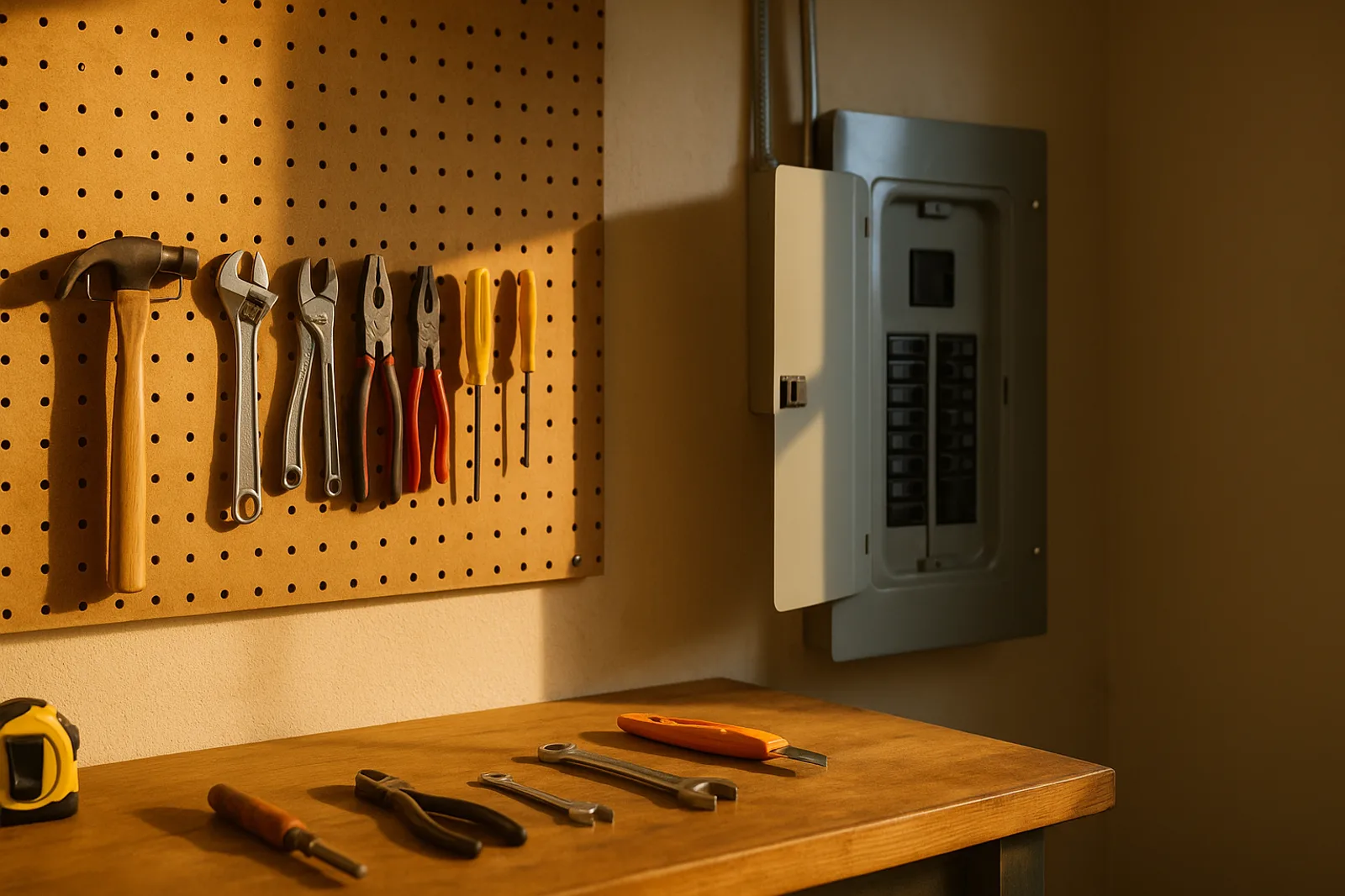
If you're an electrical contractor, your estimate is the single most important document you produce all week. Get it wrong on the high side and you lose the bid. Get it wrong on the low side and you lose money on every wire, box, and breaker for the next six months.
The problem is that electrical estimating has gotten harder, not easier. Material prices swing monthly. Labor rates vary by market. And project scopes keep getting more complex — smart panels, EV chargers, solar interconnects, lighting control systems. A general estimate won't cut it anymore.
That's where estimating software for electrical contractors comes in. The best tools don't just speed up your takeoffs — they bake in real material costs, labor productivity rates, and markup logic so your bids are both competitive and profitable.
In this guide, we'll walk through what to look for, the features that actually matter, and how to pick the right tool for your shop.
Why Electrical Estimating Is Different
Electrical work has quirks that general construction estimating tools don't handle well.
For one, the material count is enormous. A single commercial build might require thousands of line items: cable trays, conduits, wire gauges, breakers, panels, devices, fittings, and supports. Missing even a handful of items can crater your margin.
Second, labor productivity varies wildly by task. Pulling #12 Romex through open studs is fast. Running rigid conduit in a crowded mechanical room is not. Good electrical estimating software accounts for these differences with granular labor units.
And third, code compliance matters. A tool that doesn't understand NEC requirements or local amendments will produce estimates that pass inspection — or bids that don't cover what's actually required.
Generic takeoff software just isn't built for this.
What to Look for in Estimating Software for Electrical Contractors
Not all estimating tools are created equal. Here are the capabilities that separate useful electrical estimating software from the also-rans.
### 1. Digital Material Takeoff
Paper plans and highlighters belong in the past. Modern estimating software for electrical contractors should let you upload PDF plans (or DWG files) and perform digital takeoffs directly on the drawings.
The best tools let you:
Count devices, fixtures, and outlets with a single click
Measure conduit and cable tray runs by tracing on-screen
Auto-calculate homerun lengths and feeder sizes
Apply assembly logic so a "3-way switch with outlet" counts as one item, not three
Digital takeoffs cut estimating time by 50–70% compared to manual methods. That's hours per bid you can reinvest into selling, managing, or — honestly — going home at a reasonable hour.
### 2. Electrical-Specific Labor and Material Databases
A generic construction cost database won't help you price a 400A panel upgrade or a medium-voltage feeder. You need databases built for electrical work.
Look for software that includes:
Material pricing that updates regularly — monthly or better, given how volatile copper and aluminum pricing has been
Labor units based on actual electrical productivity (NECA, RSMeans, or historical data from thousands of real jobs)
Assembly groups for common electrical systems: lighting circuits, receptacle circuits, fire alarm loops, data runs
If the tool lets you customize these databases with your own historical costs, even better. Your actual productivity data will always beat published averages.
### 3. Change-Order and Revision Handling
Estimates change. Owners add scope. Architects revise drawings. GCs ask for alternates.
If your estimating software for electrical contractors doesn't handle revisions gracefully, you'll lose track of what changed between version 1 and version 4. Look for:
Version comparison views
Change-order markups that auto-adjust totals
Audit trails showing who changed what and when
This alone pays for the software the first time a $50,000 change order lands on your desk.
### 4. Bid Management and Proposal Generation
A great estimate is worthless if it doesn't turn into a clear, professional proposal. Your software should produce bid packages that include:
A scope letter that matches your takeoff
Material and labor breakdowns
Exclusions and clarifications
Alternates and allowances
Bonus points if the tool integrates with your CRM or project management system so the won-bid data flows straight into your production pipeline.
### 5. Cloud Collaboration
If you've ever emailed a 50 MB PDF to a junior estimator and waited for them to finish their takeoff, you know the pain of file-based estimating.
Cloud-based electrical estimating software means:
Multiple estimators can work on the same bid simultaneously
The boss can review progress in real time
Plans updates push to everyone immediately
You can open bids from the job site, the office, or your truck
The ROI of Good Estimating Software
Let's put numbers on it.
A mid-size electrical contractor bids 10–15 projects per month. A manual estimate takes 6–8 hours. With estimating software for electrical contractors, that drops to 2–3 hours.
At a blended billable rate of $85/hour for an estimator, that's $340–$510 saved per bid. Over 12 bids a month, you're looking at $4,000–$6,000 in monthly savings — and that's before you factor in the margin improvements from more accurate pricing.
The real win, though, is accuracy. Contractors using dedicated electrical estimating tools report 2–5% margin improvement within the first year. On a $5M annual revenue shop, that's $100,000–$250,000 in additional profit.
The software pays for itself in the first month.
Common Mistakes Electrical Contractors Make with Estimating Software
Even great tools produce bad results if you use them wrong. Here are the pitfalls we see most often:
Trusting default databases blindly. Published labor units and material prices are starting points, not gospel. Calibrate the tool to your actual crew productivity and supplier pricing.
Skipping the scope letter. A detailed estimate without a written scope is an invitation to a dispute. Always document what's included — and what's not.
Not teaching the team. If only one person knows how to use the software, you have a single point of failure. Train at least two estimators.
Ignoring the takeoff audit. Let your tool's audit features check your work. Did you miss a homerun? Double-count a subpanel? Let the software catch it before the GC does.
How to Choose the Right Electrical Estimating Software
Start with self-awareness. Are you a small residential shop bidding service upgrades and new construction? A commercial contractor chasing $2M design-build packages? An industrial firm doing heavy power distribution?
Your needs are different. Here's a quick framework:
Small shops (1–5 electricians): Look for simple, subscription-based tools with pre-built databases and minimal setup. You don't need ERP integration. You need fast, accurate quotes.
Mid-size firms (6–30 electricians): You need collaboration features, revision tracking, and the ability to customize labor units. Integration with accounting software is valuable here.
Large contractors (30+ electricians): Look for enterprise-grade tools with robust databases, API access, multi-office support, and deep reporting. You're managing complex bids with multiple estimators and need the audit trail.
Where Lower-Tech Options Fall Short
Spreadsheets, generic construction estimating tools, and paper-based methods all have the same fundamental weakness: they require you to manually manage knowledge that should be built into the system.
A spreadsheet doesn't know that a 200A meter-main combo costs $380 this week. It doesn't flag that your labor unit for rough-in is 20% below your historical average. It doesn't auto-generate a scope letter from your takeoff.
When you lose a bid, you'll wonder if you were too high or too slow. When you win one, you'll wonder if you left money on the table.
Good estimating software for electrical contractors eliminates both kinds of doubt.
The Bottom Line
Estimating software for electrical contractors is no longer a luxury — it's table stakes. The material volatility, labor shortages, and project complexity of 2026 demand tools that help you bid fast, bid accurate, and bid with confidence.
The best tool for you is the one that fits your shop size, your workflow, and your budget. But whatever you pick, make sure it handles the electrical-specific details that generic software misses. Your margins will thank you.
---
Prybar helps electrical contractors streamline their estimating workflow with tools designed for the way trades actually work. [Learn more about Prybar for electrical contractors →](https://prybar.ai)
Prybar helps trade businesses never miss a customer text again. Responds instantly, captures leads, books jobs — all while you work. Live in minutes.
Get Started →