Home Service Industry Trends 2026
What's Actually Changing for Contractors Right Now
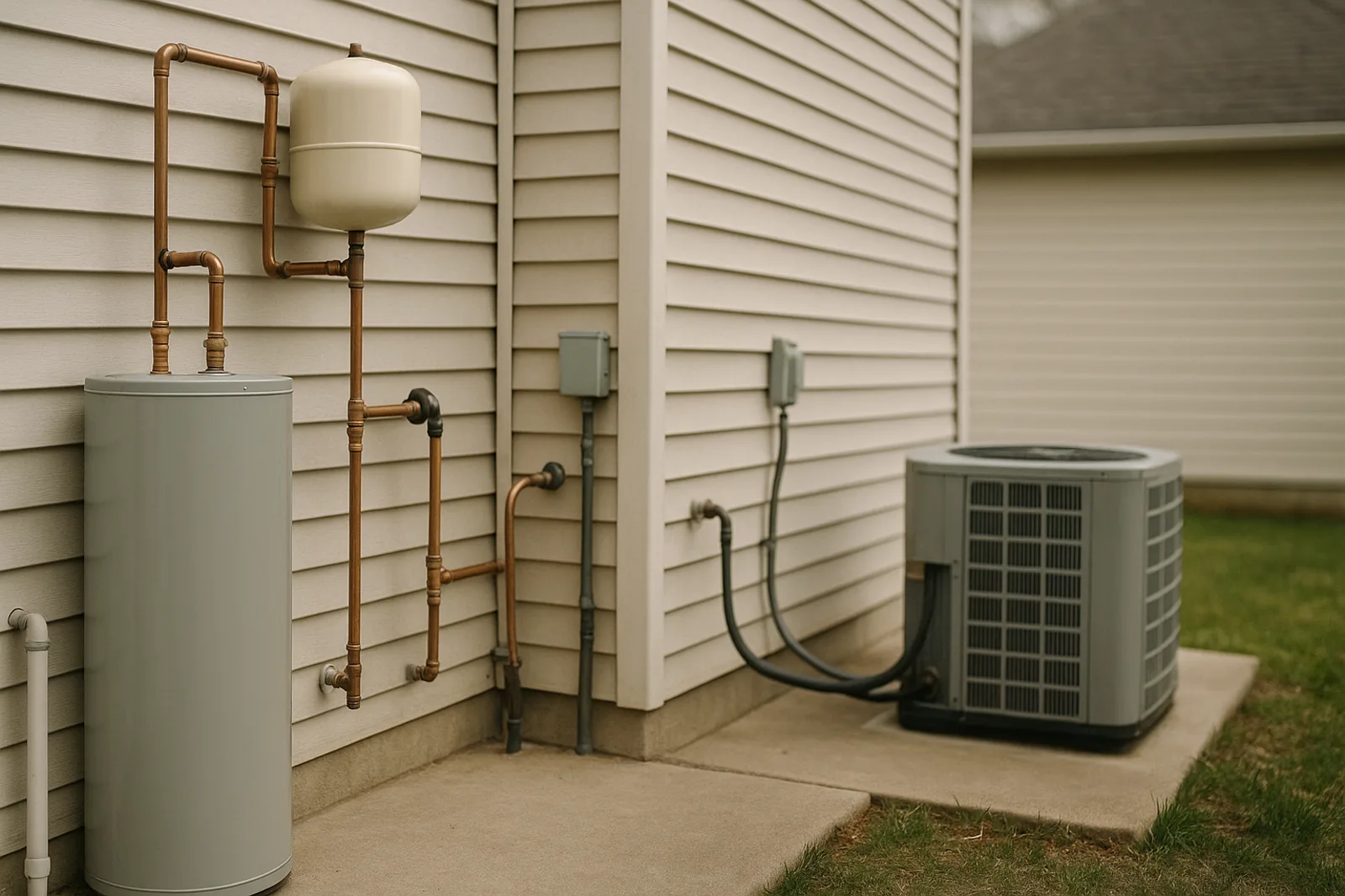
If you run a home service business, you've felt it. The ground is shifting faster than ever. Customers expect same-day responses, your best techs are getting poached, and margins that worked five years ago don't cut it anymore.
The home service industry trends 2026 is delivering aren't slow, gradual changes. They're full-on shifts in how work gets found, priced, scheduled, and delivered. Here's what you actually need to pay attention to — and what you can do about it.
AI Isn't Coming — It's Already Taking Calls
The single biggest change in 2026? AI isn't a buzzword anymore. It's the person answering your phone at 2 AM.
Over 60% of home service businesses now use some form of AI-powered intake — automated call handling, smart scheduling, or instant quoting. And it's not just a nice-to-have. Companies using AI scheduling report an average 23% increase in booked jobs because leads don't go cold while the phone rings.
What's working right now:
1. Voice AI dispatchers — They qualify leads, book appointments, and handle basic Q&A without a human on the line. The best ones actually sound like a person, not a robot from 2022.
2. Smart routing — AI that learns which techs are closest, best-rated for a specific job type, or due for overtime caps. It's replacing the manual "who's free?" whiteboard.
3. Estimating assistants — Tools that scan job photos, cross-reference material costs, and generate a rough quote in under 60 seconds. You still review it, but you're not starting from zero.
The takeaway: if you're still relying on voicemail and callback slips, you're leaving money on the table. Customers in 2026 expect to book a time slot before they hang up.
Dynamic Pricing Is Becoming Table Stakes
Flat-rate pricing books still work for simple jobs. But the industry is rapidly moving toward dynamic pricing — think Uber surges, but for HVAC calls in July.
Here's how it's playing out:
Don't surprise customers with a higher final bill. The trick is transparency up front — show the range, explain why, and let them choose. That builds trust, not resentment.
Google's Local Service Updates: Play by New Rules or Get Buried
Google changed its local service algorithms significantly in early 2026. If you noticed your phone ringing less despite doing nothing wrong, this is probably why.
Key changes:
This is where a responsive intake system (see point one) pays off twice — it both captures more leads and boosts your Google ranking by replying instantly.
Labor: The War for Techs Isn't Cooling Down
The skilled labor shortage isn't a trend — it's the new permanent reality. By mid-2026, the home services industry faces an estimated shortage of 200,000+ skilled technicians in the US alone.
What successful contractors are doing about it:
1. Pay transparency up front — Post pay ranges in job listings. Companies that do see 40% more qualified applicants than those that don't.
2. Training pipelines, not poaching — Instead of stealing from competitors (a zero-sum game), more businesses are running in-house training programs. Take a helper with basic construction knowledge, train them over 6 months, and you get a loyal tech who knows your systems.
3. Four-day workweeks — A growing number of contractors are testing compressed schedules. Early results show retention improves 30-50% with minimal revenue impact, because four 10-hour days beat five 8-hour days for work-life balance.
4. Profit sharing for techs — Top performers get a cut of upsells or add-on services. It aligns incentives: the tech wants quality work and happy customers because their paycheck depends on it.
The days of treating skilled trades as easily replaceable are over. The best techs know they're in demand — pay them, train them, or watch them leave.
Customers Expect Amazon-Level Convenience
Homeowners in 2026 have been conditioned by Amazon, DoorDash, and Uber to expect instant everything. The home service industry is finally catching up.
What customers now expect as standard:
The Software Stack Is Consolidating
For years, contractors juggled a separate tool for everything — scheduling here, invoicing there, marketing in a third app. That era is ending.
In 2026, the winning approach is an integrated platform that handles:
Lead intake + scheduling in one place
CRM + marketing automation that talks to your job data
Estimating + invoicing that shares pricing history
Customer communication + review management on a single timeline
The benefit isn't just fewer logins. It's data that flows end-to-end. When a customer calls about a maintenance plan renewal, your system already knows their equipment age, past service history, and preferred time window. No "let me check" pauses.
Platforms that integrate quote-to-cash workflows are seeing 15-25% higher revenue per customer compared to fragmented tool stacks.
The Bottom Line
The home service industry trends 2026 is delivering all come back to one theme: speed and convenience win. The businesses that answer fast, quote transparently, show up on time, and make payment painless are the ones growing. The rest are scrambling.
You don't need to implement everything at once. Pick one area — AI intake, dynamic pricing, tech retention — and make a real improvement this quarter. That single change compounds faster than you think.
Prybar helps home service businesses turn more leads into booked jobs with smarter intake, automated follow-ups, and a sales workflow that doesn't require a degree in software. Whether you're a solo operator or running a fleet, the tooling exists to keep up with 2026. You just have to use it.
Prybar helps trade businesses never miss a customer text again. Responds instantly, captures leads, books jobs — all while you work. Live in minutes.
Get Started →